
In brief
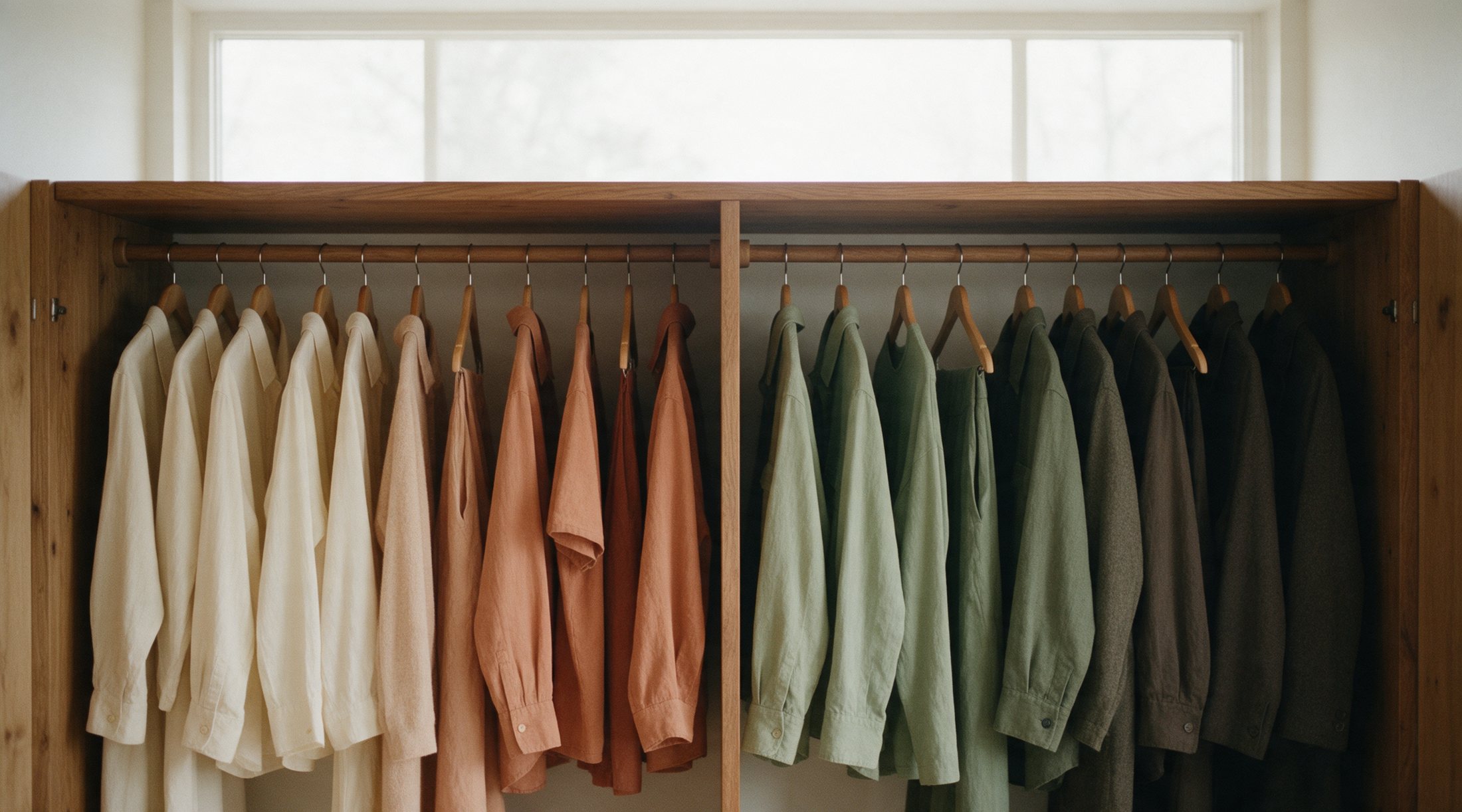
- Clothing utilization has dropped 36% in 15 years, and closets are full of things people forgot they own — that's a visibility problem, not a shopping problem.
- Threadnest's only manual step is one photo per item, taken however the closet actually looks. Everything after that — cleanup, cataloging, outfits, try-on, resale — is automatic.
- The same three product shots recur through the app's styling, try-on, and marketplace features, so an outfit you see recommended is the outfit you can actually put on.
Why most closets don't actually work
Worldwide, clothing utilization — the average number of times a garment gets worn before it's retired — has fallen 36% over the past fifteen years, and more than $500 billion in wearable value is lost every year to clothes that go underused and unrecycled, according to the Ellen MacArthur Foundation's A New Textiles Economy report. The buying habits behind that aren't a mystery either: in the US, 21% of women and 15% of men say they often buy clothes that end up never worn, per Statista Consumer Insights survey data.
None of that is really a wardrobe problem. It's a visibility problem — you can't build an outfit around a shirt you've forgotten you own, and you can't decide what to sell or donate if you don't remember what's sitting in the pile in the first place. Threadnest exists to fix that visibility gap, not to sell you more clothes.
Most closet apps ask you to do the boring part yourself: name every item, tag the color, pick a category, upload a clean product shot. That's a chore disguised as an onboarding flow, and almost nobody finishes it. So we skipped it. You photograph your closet the way it actually looks — on a hanger, on a chair, mid-cluttered-bedroom — and Threadnest takes it from there.
It cleans up and files itself
The moment a photo lands, Threadnest identifies the garment, lifts it out of the background, and cleans it up into the kind of shot you'd expect from a catalog. Then it files itself — no folders to create, no tags to fill in. Say a shirt once, and it's organized forever.
It builds outfits, not just a catalog
A sorted closet is nice to look at. It's not useful until it starts making decisions for you. Threadnest looks at what's actually in your closet and puts pieces together — for the office, for a date, for a wedding you forgot about until the invite showed up. When you'd rather just say what you need, you can ask your stylist directly, and it keeps getting better at matching your taste the more you use it.
It shows you before you commit
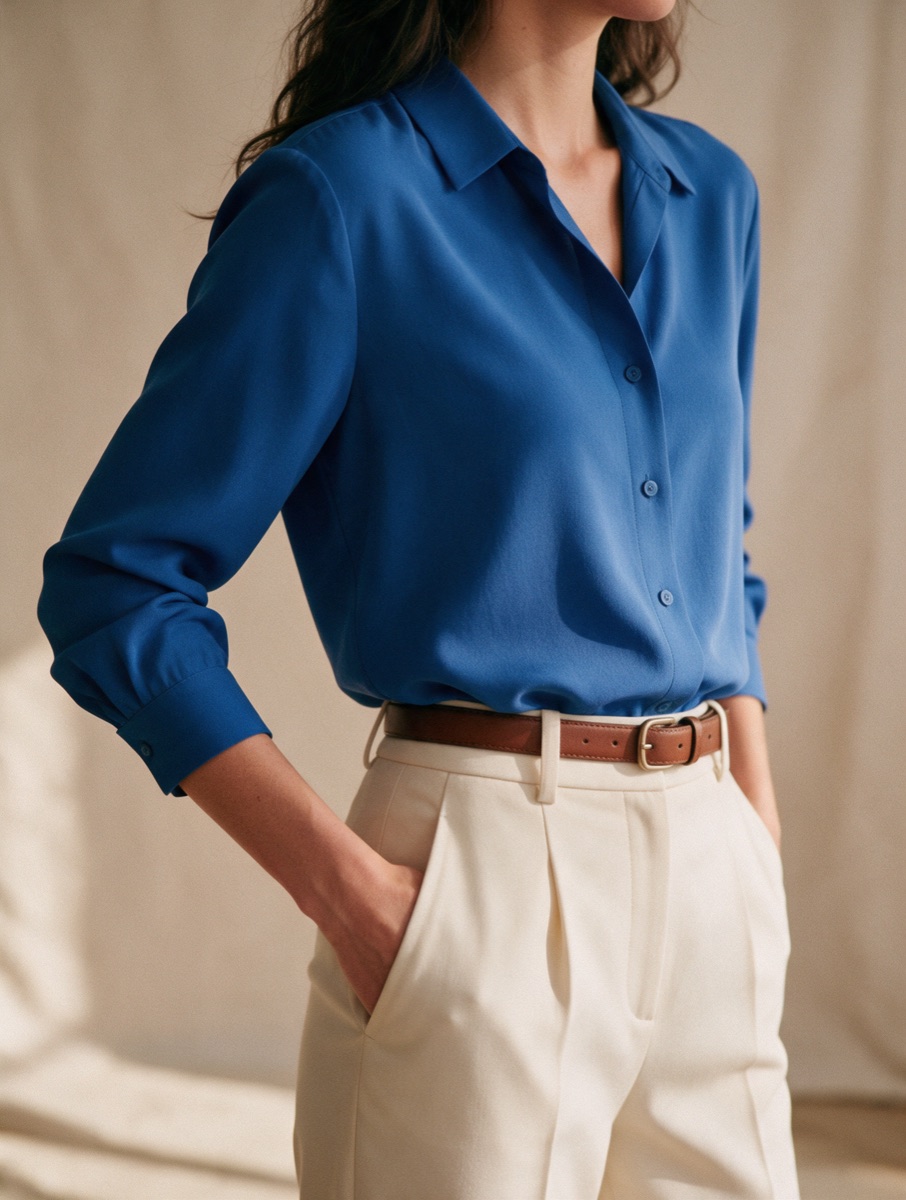
The part that actually changes how people get dressed: Threadnest can show the outfit on you, virtually, before you put it on or buy anything to complete it. If something's missing — a jacket to pull the look together, shoes that actually match — it says so, and suggests something instead of leaving you guessing.
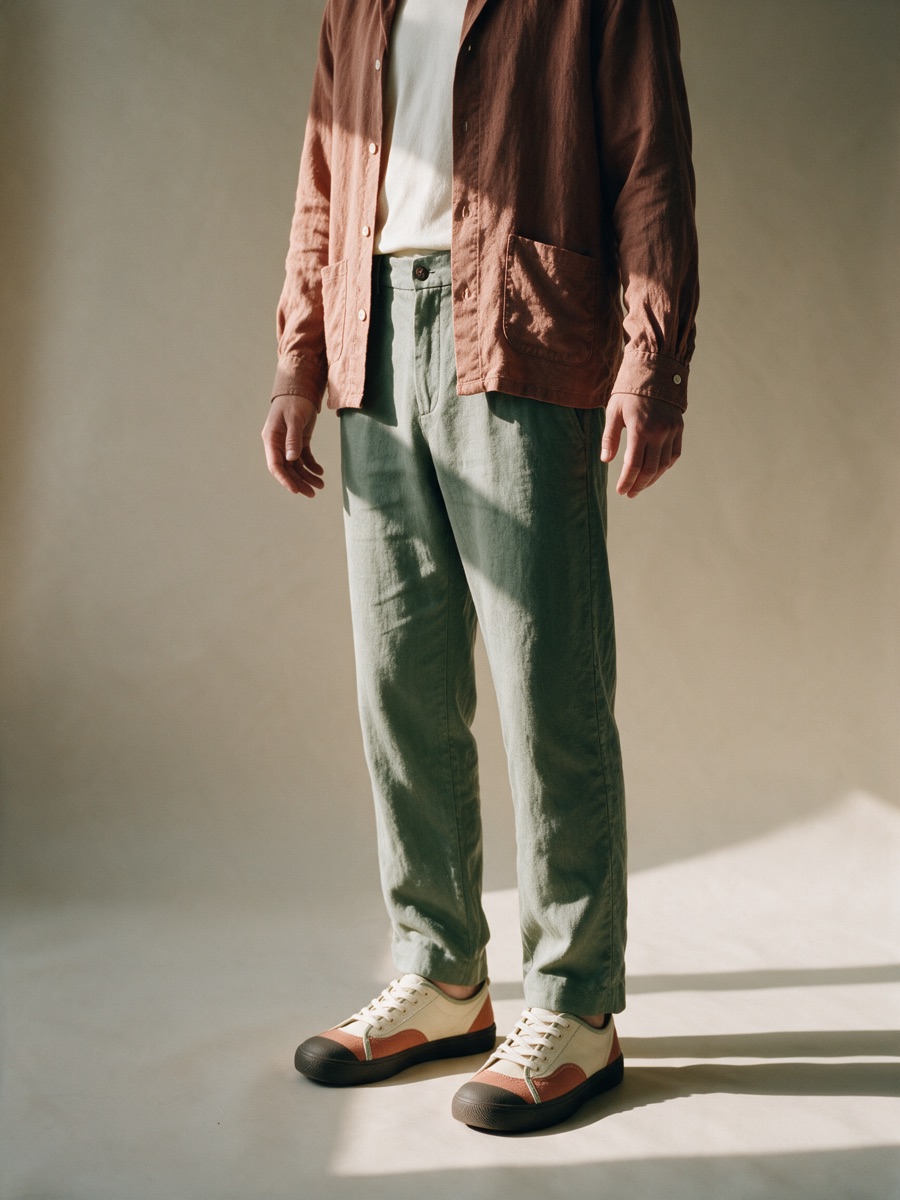
The closet worth opening again is the one that already knows what's in it.
And when something's done being worn
Not everything earns a place in permanent rotation. For the pieces that don't, Threadnest tracks what's gone unworn and hands you a next step — list it for sale in one tap, or send it to a donation center that actually needs it. See how the sell-or-donate handoff works. Nothing has to just sit there.
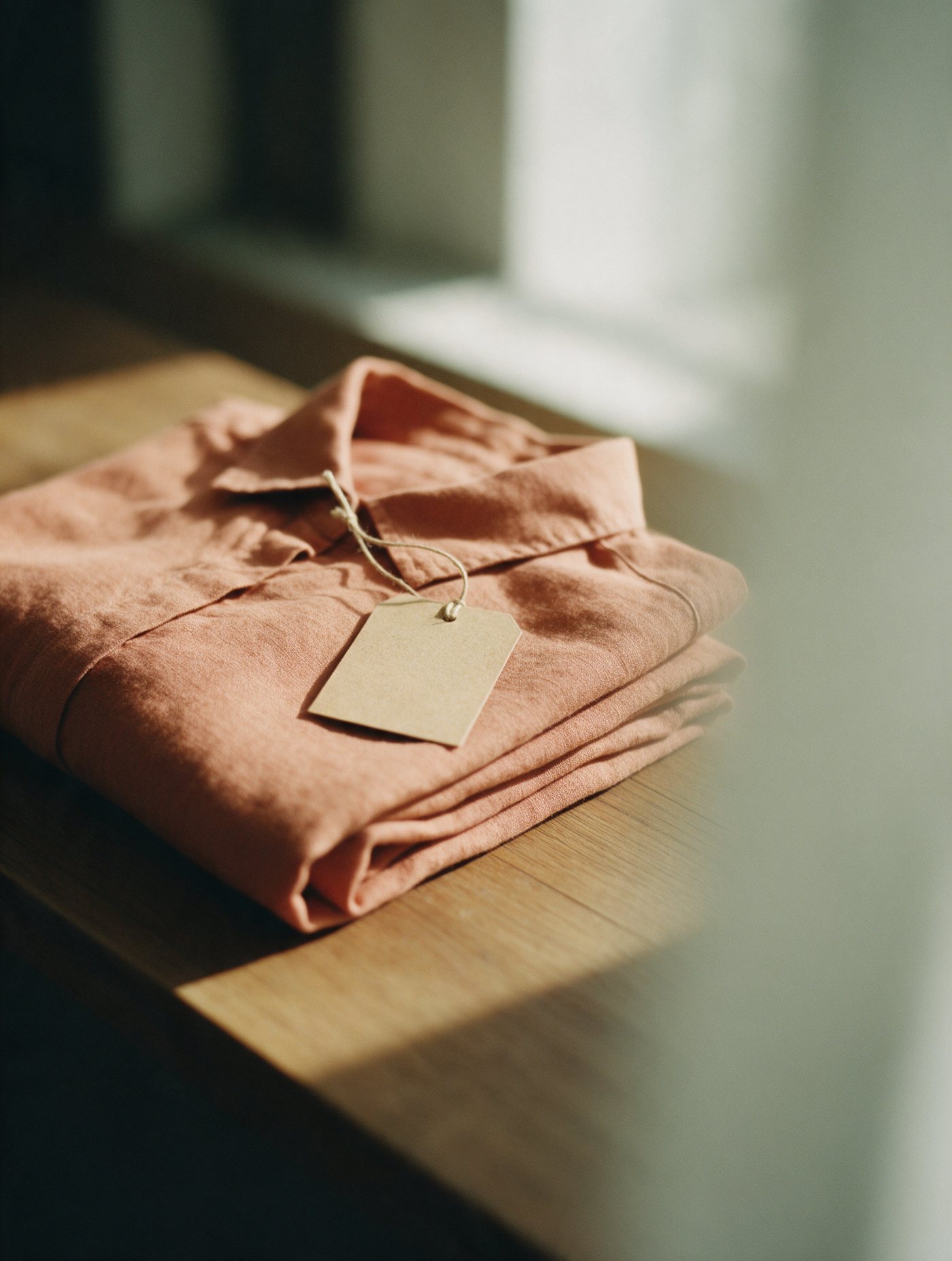
One photo in. Organizing, styling, deciding, and letting go, out. That's the whole idea.
Sources: Ellen MacArthur Foundation, "A New Textiles Economy: Redesigning Fashion's Future" (2017) · Statista Consumer Insights, 2025